

Discovering that a tenant has sneaked an unauthorized pet into your rental property is an incredibly common headache for landlords. Sometimes it starts as a “weekend visit” from a friend’s dog that never leaves, and other times tenants try to circumvent pet deposits by claiming the animal is an Emotional Support Animal (ESA). Regardless of…
Read Article
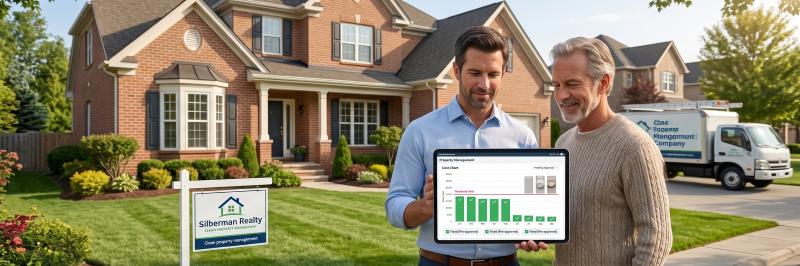
When managing a rental property, maintaining the home and keeping tenants happy are top priorities. One of the most effective tools a property management company uses to balance these goals is the “repair threshold.” But what exactly is a repair threshold, and why is it so crucial for both landlords and tenants? What is a…

When preparing a rental property for a new tenant or handling turnover, turning the utilities back on is a critical step. But what happens when the utility company or a service vendor gives a massive arrival window such as “sometime between 8:00 AM and 5:00 PM”? For landlords utilizing a property management company, a common…

It is a tale as old as real estate itself: you tour a property, show a little bit of interest, and suddenly the listing agent calls to say, “We have two other offers coming in, so you better bring your highest and best!” As a buyer, it can feel like a high-pressure sales tactic. As…

In a perfect world, a landlord-tenant relationship is a smooth, professional partnership. However, real estate professionals often encounter unscrupulous landlords who prioritize short-term savings over long-term safety. One of the most difficult challenges for a property management company is dealing with a landlord who attempts to take shortcuts especially when it comes to significant defects…